
Most Australians chasing the pokies jackpot biggest on a screen want a clear read on what is actually achievable before they spend a dollar. The headline numbers look enormous, but the real story sits in how those prizes are built, how often they pay, and which lobby features matter when you are playing from Perth or anywhere else on the coast. I have spent years running payroll and payment operations across iGaming platforms like Easygo, Stake, Kick, Twist, and several online casino environments, so I know how operator margins, payout calendars, and player expectations all have to line up behind the scenes.
How Progressive Jackpots Are Structured
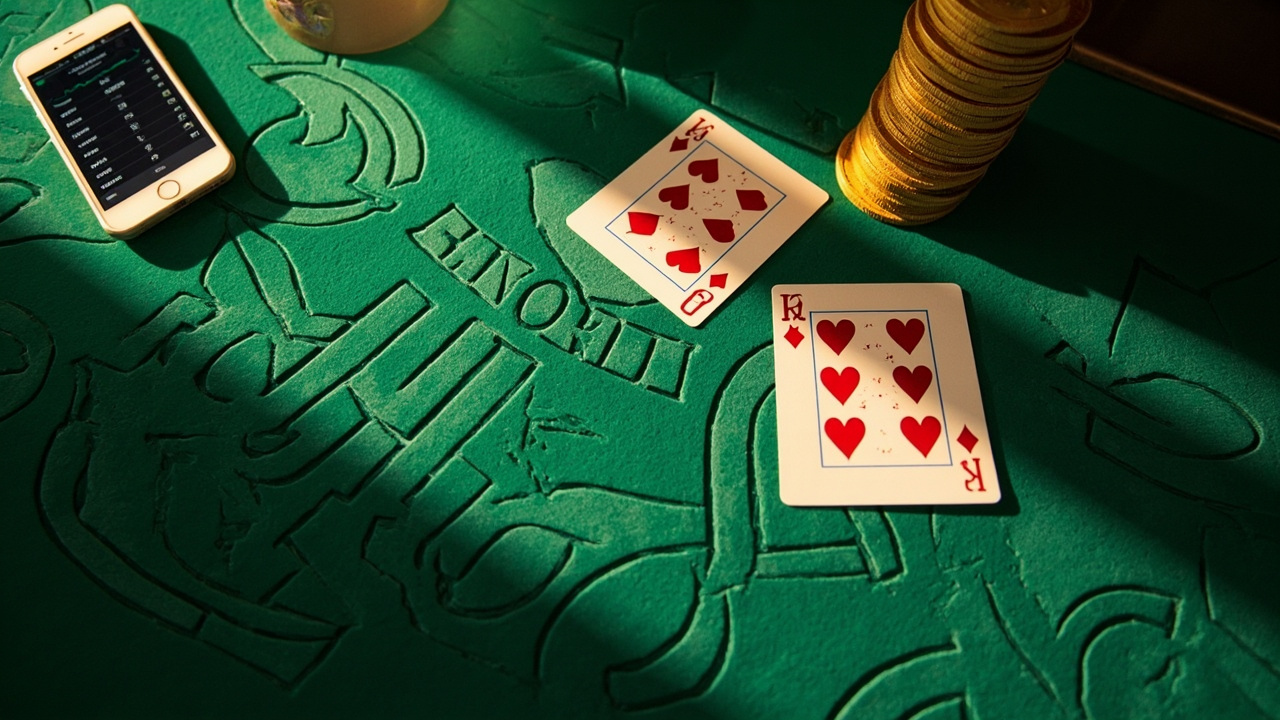
Progressive pokies build their top prizes by taking a small slice of each wager and feeding it back into the prize pool. Some networks run a single shared jackpot across many games, while others keep the progress local to one title, and that distinction changes how quickly the number climbs. A shared network pot can reach life-changing figures faster because thousands of players across multiple casinos are contributing, but the odds of hitting it are spread across a much larger player base. A standalone progressive grows more slowly and usually pays more often, though the ceiling is lower and the screen numbers look less dramatic.
When I compare operator payout schedules the way I used to reconcile payroll across different contractor and employee cycles, the pattern is similar: the headline figure is only useful once you know how often it resets, what the seed amount is, and whether the game uses a fixed probability or a random trigger. A big displayed number does not tell you whether the machine has just paid out, whether it is still climbing, or whether the network has hit a temporary ceiling. That is why reading the game info screen matters more than chasing the largest number on the lobby.
For players comparing options, the practical details usually come down to a few consistent points:
- Network size and whether the jackpot is shared or local
- Minimum wager required to qualify for the top prize
- How the trigger works and whether it is random or feature-based
- Whether the displayed amount updates in real time or on a delayed cycle
Those points are the ones I would check first, because they tell you whether a pokies jackpot biggest is actually reachable in a normal session or just a marketing figure that looks impressive on a banner.
Reading the Numbers Behind the Biggest Jackpots
The first thing worth separating is the difference between a displayed jackpot and a realistic expectation. A pokies jackpot biggest can sit at a six or seven figure amount on screen, but that does not mean the game is due to pay, or that any given spin is closer to a win than the one before it. Each spin is independent, and the maths behind the prize pool is built around long-term return rather than short-term promise. That is the part a lot of lobby noise skips, and it is the part I always flag when I am comparing operator displays the way I would audit a payment run before signing off on it.
Game mix and provider behaviour also shape what you see. Some studios build their progressives with a hard reset after a win, while others let the pot keep climbing until it is hit, and a few use a hybrid model where a smaller fixed prize sits underneath the top tier. Lobby organisation matters here too, because a well-sorted game list will usually show the current jackpot, the seed amount, and the required bet per line or per spin. A messy lobby hides those details, and then the biggest number on the page becomes more of a lure than a useful figure.
I have seen payroll-style precision in the way the better operators handle this, and it is a fair comparison to make. When a platform treats its jackpot display, wagering requirement, and payout timing as things that need to match the same standard as a clean pay run, players get a clearer picture of what they are actually looking at. When the display is just a big number with no context, it is harder to tell whether the game is a network progressive, a local progressive, or a fixed prize dressed up to look larger than it is.
The practical differences usually show up in a few places:

| Detail | Why it matters |
|---|---|
| Jackpot type | Shared networks climb faster but pay less often per player; local progressives move slower with a lower ceiling |
| Minimum bet | Some top prizes only qualify on a higher wager, which changes the real cost of chasing them |
| Trigger style | Random triggers and feature-based triggers behave differently, and neither can be timed by the player |
| Display accuracy | Real-time updates give a clearer read than delayed or rounded figures |
That table is the kind of quick comparison I would use when I am checking whether a lobby is giving enough information to make an informed choice, rather than just showing off the largest number it can find.
A well-designed layout should prioritize transparency and comparative metrics over flashy, inflated claims. When evaluating online gaming platforms, it is worth cross-referencing independent review sites like mafia casino to verify payout structures and licensing details. This approach ensures you are comparing like-for-like data rather than being swayed by exaggerated promotional figures.
Who the Biggest Jackpot Games Actually Suit
The pokies jackpot biggest is not a one-size-fits-every-player feature, and that is worth saying plainly. If someone is playing for a long session with a fixed entertainment budget, a local progressive or a higher-frequency slot may suit them better than a network top prize that asks for a larger qualifying bet. If the goal is simply to understand the scale of the biggest prizes and how they are built, then the network games are the ones worth reading about, but they are not automatically the best fit for every wallet or every session length.
From a Perth perspective, the local scene matters in a practical way. Players down that way are often comparing offshore-facing lobbies with the same expectations they would bring to any other online entertainment purchase, which means they want clear game info, a lobby that sorts by jackpot type, and a mobile setup that does not hide the important numbers behind extra taps. A clean lobby and a decent search function make it easier to find the games that actually match the kind of prize you are interested in, rather than scrolling past a pile of titles that only look similar on the surface. Rzi-lovech
I would rather see a lobby that separates network progressives, local progressives, and fixed top prizes than one that lumps everything into a single “biggest wins” section. That kind of organisation is the difference between a player knowing what they are looking at and a player just reacting to the largest number on the page. It is also the kind of detail I would recognise from a well-run operator backend, where the front-end display and the underlying payout logic are kept in step instead of being treated as separate jobs.
For anyone weighing whether to spend time on a jackpot-focused game, the fit usually comes down to a few choices:
- How much you want to risk per spin to qualify for the top prize
- Whether you prefer a shared network climb or a slower local build
- How important real-time jackpot updates are to you
- Whether the lobby makes it easy to compare those details before you play
Those points are not a promise of any result, and they are not a reason to treat any game as a sure thing. They are just the practical checks that make the biggest jackpot numbers easier to read.
Conclusion
The pokies jackpot biggest is best understood as a display figure with a real structure behind it, not as a scoreboard that tells you when a win is due. Once you know whether the prize is shared or local, what bet is required to qualify, and how the trigger works, the numbers become a lot easier to read and a lot less tempting as a shortcut. That is the part worth keeping in mind, especially if you are comparing lobbies from Perth or anywhere else and want a clearer sense of what you are actually chasing.
Commenti recenti